Fuel System Maintenance for Better Gas Mileage: Ted's Tips for Central MA
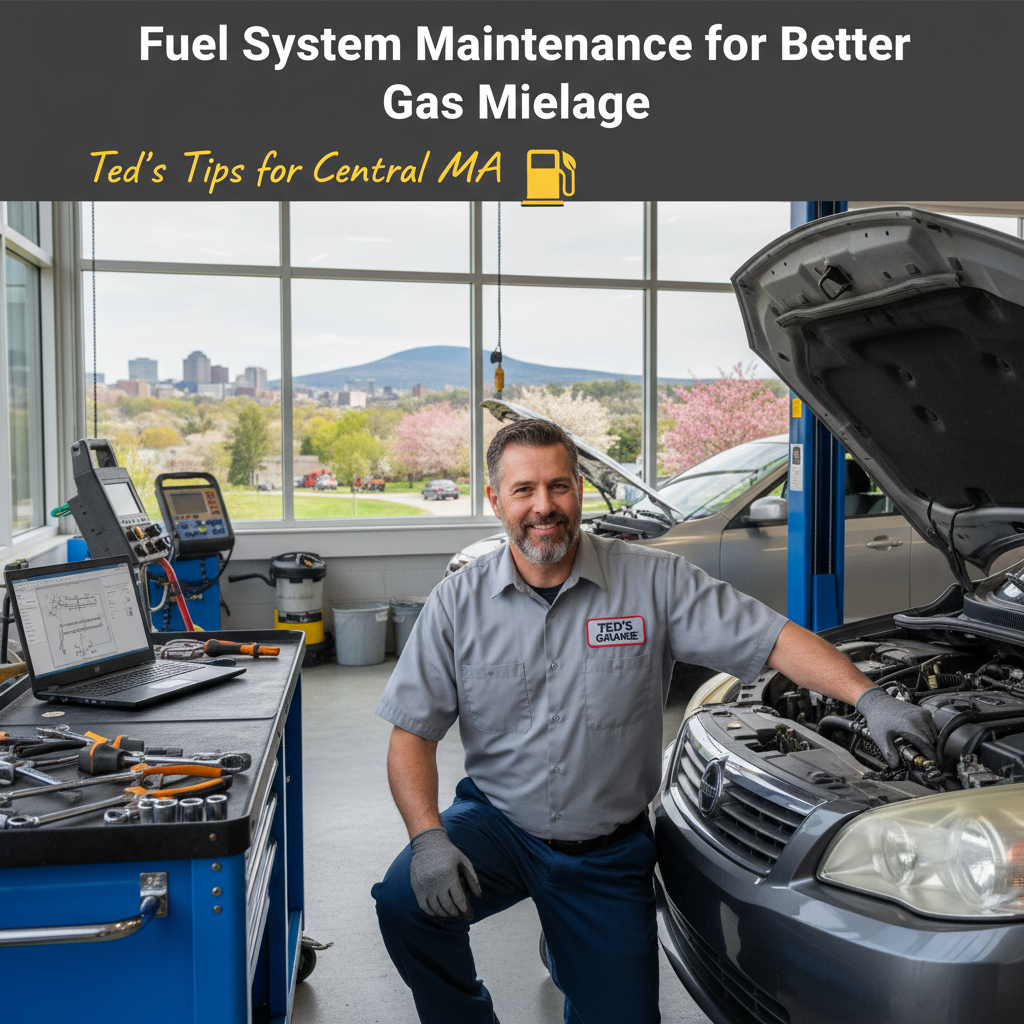
As spring arrives in Central Massachusetts, Ted Dumas from Village Auto Repair shares "Ted's Tips" on essential fuel system maintenance to improve your gas mileage. Learn how components like fuel filters, injectors, and oxygen sensors affect efficiency, especially with our local driving conditions. Get practical advice and understand when to seek professional help to keep your car running smoothly and save money at the pump.
Fuel System Maintenance for Better Gas Mileage: Ted's Tips for Central MA
Hey there, Central Massachusetts drivers! Ted Dumas here from Village Auto Repair. With spring in full swing and summer road trips just around the corner, many of us are thinking about getting the most out of every drop of gas. And with fluctuating gas prices, who wouldn't want to improve their fuel economy? Today, we're diving deep into an often-overlooked but crucial area: your car's fuel system. Proper fuel system maintenance isn't just about saving money; it's about keeping your engine running smoothly and reliably, especially after another harsh Central MA winter.
Why Your Fuel System Matters, Especially in Central MA
Our cars face a unique set of challenges here in Worcester, Paxton, Rutland, and the surrounding towns. We deal with extreme temperature swings, significant humidity, and, let's not forget, the notorious road salt and sand from our long winters. All of these factors can take a toll on your vehicle's fuel system, leading to decreased efficiency and potential problems down the road.
Think about it: your fuel system is responsible for delivering the right amount of clean fuel to your engine at precisely the right time. When any part of this intricate system is compromised, whether by dirt, rust, or wear and tear, your engine has to work harder, burning more fuel to achieve the same performance. The good news is that with some preventative maintenance and attention, you can keep your fuel system in top shape and enjoy better gas mileage.
Key Components of Your Fuel System and How They Affect MPG
Let's break down the main players in your fuel system and understand how their health directly impacts your fuel economy:
- Fuel Filter: The First Line of DefenseYour fuel filter is like your car's kidney, cleaning impurities and contaminants from the gasoline before it reaches your engine. Over time, especially with the quality variations in fuel and the general debris that can accumulate in fuel tanks, this filter can become clogged. A clogged fuel filter restricts fuel flow, forcing your fuel pump to work harder and potentially leading to a richer fuel mixture (more fuel, less air) in the engine, which wastes gas.
- Ted's Tip: Many manufacturers recommend replacing your fuel filter every 15,000 to 30,000 miles, but given our driving conditions, it's a good idea to check your owner's manual and consider more frequent inspections. If your car feels sluggish or you notice a drop in MPG, a clogged fuel filter could be the culprit.
- Fuel Injectors: Precision Delivery is KeyFuel injectors are incredibly precise nozzles that spray a fine mist of gasoline into your engine's combustion chambers. Over time, carbon deposits can build up on these injectors, causing them to clog or spray fuel in an uneven pattern. When this happens, your engine doesn't get an efficient fuel burn, leading to reduced power, rough idling, and, you guessed it, lower fuel efficiency.
- Ted's Tip: Using a high-quality fuel system cleaner periodically can help keep your injectors clean. For more stubborn clogs, a professional fuel injector cleaning service at Village Auto Repair can make a significant difference.
- Fuel Pump: The Heart of the SystemYour fuel pump is responsible for drawing fuel from the tank and sending it under pressure to the engine. If your fuel pump is struggling due to a clogged filter, a nearly empty fuel tank (which can cause it to overheat), or just old age, it can affect fuel delivery and efficiency. A failing fuel pump can also lead to more serious issues down the line.
- Ted's Tip: Avoid habitually driving on a near-empty tank. Keeping your tank at least a quarter full helps keep the fuel pump cool and submerged, extending its lifespan.
- Oxygen Sensors: Monitoring the MixWhile not strictly part of the "fuel delivery" system, oxygen (O2) sensors play a critical role in how efficiently your engine uses fuel. These sensors measure the amount of oxygen in your exhaust gases and send this information to your car's computer. The computer then adjusts the air-fuel mixture to optimize combustion. If an O2 sensor becomes faulty, it can send incorrect data, causing your engine to run too rich (using too much fuel) or too lean, both of which hurt fuel economy and increase emissions.
- Ted's Tip: If your "Check Engine" light comes on, it's important to get it diagnosed promptly. Often, a faulty O2 sensor is the cause, and replacing it can significantly improve your gas mileage.
- PCV Valve (Positive Crankcase Ventilation): An Unsung HeroThe PCV valve is a small but important component that vents unburnt fuel vapors from the crankcase back into the engine to be burned. A clogged or faulty PCV valve can create pressure imbalances, leading to oil leaks, sludge buildup, and, you guessed it, reduced fuel efficiency. It can also cause your engine to run "rich" as it struggles to burn off those excess vapors.
- Ted's Tip: The PCV valve is relatively inexpensive to replace and can make a difference in your engine's overall efficiency. It's often inspected during routine maintenance, but don't hesitate to ask your technician at Village Auto Repair to check it.
Actionable Advice for Central MA Drivers (It's Not Just About the Fuel System!)
While fuel system maintenance is key, remember that several other factors impact your gas mileage. Here are some extra tips from me:
- Check Your Tires: Properly inflated tires reduce rolling resistance, which means your engine doesn't have to work as hard. Our potholes here in Central MA are infamous, so check your tire pressure regularly, especially as temperatures fluctuate in spring and early summer.
- Reduce Excess Weight: The heavier your car, the more fuel it uses. Clear out any unnecessary items from your trunk or back seat.
- Drive Smart: Avoid aggressive acceleration and hard braking. Smooth driving habits can significantly improve fuel economy. Think about anticipating stops and letting off the gas earlier.
- Regular Tune-Ups: A well-maintained engine with clean air filters and properly firing spark plugs will always be more efficient. Don't skip your scheduled maintenance!
- Air Filter Check: A dirty air filter restricts airflow to your engine, forcing it to burn more fuel to compensate. This is especially important after pollen season in May!
When to See the Pros at Village Auto Repair
While some basic checks can be done at home, many fuel system components require specialized tools and expertise. If you notice any of the following, it's time to bring your vehicle to the experienced technicians at Village Auto Repair:
- Significant drop in gas mileage
- Engine misfires or hesitation
- Rough idling
- Difficulty starting your car
- Sulphur or rotten egg smell from the exhaust
- "Check Engine" light illuminated
Our team at Village Auto Repair understands the unique demands our Central Massachusetts roads place on your vehicle. We're committed to providing honest, transparent service to keep your car running efficiently and safely. We'll diagnose any fuel system issues, recommend the necessary repairs, and help you get back on the road with improved fuel efficiency.
Don't let a neglected fuel system drain your wallet at the pump. This May, make fuel system health a priority. Give us a call at Village Auto Repair or stop by our shop. We're always happy to answer your questions and help you get the most out of your vehicle!
The Importance of Scheduled Maintenance for Your Vehicle: Insights from Village Repair in Holden, MA