Smart Driving Habits to Save Gas and Money in Central MA
As April brings spring rains to Central Massachusetts, ensuring clear visibility is crucial for safe driving. This post by Ted Dumas of Village Auto Repair highlights the importance of checking and replacing worn wiper blades, which take a beating during harsh winters. It details signs of failing blades, recommends replacement every 6-12 months, and offers additional tips like checking washer fluid, cleaning windshields, and inspecting lights and tires to prepare your vehicle for wet spring conditions.
Smart Driving Habits to Save Gas and Money in Central MA
Hey Central Massachusetts drivers! Ted Dumas here from Village Auto Repair. With gas prices always on our minds, especially when we’re battling those winter storms or navigating summer road construction, it’s more important than ever to make every drop count. We all know that sinking feeling when you see the numbers climb at the pump, but did you know that many of the factors affecting your fuel economy are actually within your control? It's true! By adopting some smart driving habits and keeping up with a little routine maintenance, you can significantly improve your gas mileage, save money on gas, and even extend the life of your vehicle.
Here in Central MA, we face some unique challenges – hilly terrain, stop-and-go traffic in Worcester, and of course, those brutal winters that demand a lot from our engines. These conditions can chew through your fuel budget if you're not careful. But don't worry, I'm here to share some practical tips that will help you drive smarter, not harder, and keep more cash in your wallet.
1. Smooth Operator: The Art of Gentle Driving
One of the biggest culprits of poor fuel efficiency is aggressive driving. Think about it: sudden acceleration, hard braking, and rapid lane changes all demand more power from your engine, which means burning more fuel. Here’s how to be a "smooth operator" on the road:
- Accelerate Gradually: When you pull away from a stop sign in Paxton or merge onto I-190, ease into the gas pedal. Gentle acceleration uses less fuel than stomping on it. Pretend there's an egg under your foot that you don't want to break!
- Anticipate Traffic: Look ahead! If you see a red light coming up in West Boylston, or traffic slowing down in Shrewsbury, take your foot off the gas and coast. This is far more fuel-efficient than accelerating to the last minute and then slamming on the brakes.
- Maintain a Consistent Speed: Cruise control isn't just for long highway trips. On routes like Route 12 or even flatter sections of Route 9, using cruise control can help you maintain a steady speed, avoiding those subtle accelerations and decelerations that waste fuel.
2. Mind Your Speed: The Sweet Spot for Fuel Economy
While it might be tempting to speed up a bit on those open stretches around Rutland or Princeton, higher speeds significantly increase aerodynamic drag, meaning your engine has to work harder to push your car through the air. Most vehicles achieve their best fuel efficiency between 45 and 55 mph. Of course, always adhere to posted speed limits for safety, but if you have the opportunity to drive a little slower without impeding traffic, your wallet will thank you.
3. Lighten the Load: Unburden Your Ride
Are you carrying around unnecessary weight in your trunk? That old bag of snow tires you forgot to unload, or tools you rarely use? Every extra pound forces your engine to work harder, consuming more fuel. Clear out your trunk and remove any roof racks or cargo carriers when they're not in use. Even small changes can add up to noticeable gains in your gas mileage.
4. Air Conditioning vs. Open Windows: The Great Debate
This is a classic Central MA summer dilemma! Generally speaking, at lower speeds (under 40 mph), rolling down your windows is more fuel-efficient than using the air conditioner. However, at higher speeds (above 40 mph), open windows create significant aerodynamic drag, which can actually decrease your fuel economy more than running the A/C. So, when you're cruising on the highway, it's often better to use the air conditioning sparingly.
5. The Idling Myth: Turn It Off!
Many of us grew up with the idea that restarting your car uses more gas than idling. While that might have been true for older carbureted engines, modern fuel-injected vehicles are much more efficient. If you're going to be stopped for more than 10-20 seconds (think waiting for a train in West Boylston, picking up kids from school, or sitting in a long drive-thru line), it's almost always more fuel-efficient to turn off your engine and restart it when you're ready to go. Our harsh Central MA winters also mean many people idle to warm up their car, but really, you only need to idle for about 30 seconds before driving gently.
6. Stay on Top of Vehicle Maintenance: Your Car Maintenance Budget's Best Friend
This is where Village Auto Repair truly shines! Regular maintenance isn't just about preventing breakdowns; it's crucial for optimizing your fuel efficiency. Neglecting maintenance can cause your engine to work harder, directly impacting your gas mileage. Here are key areas we can help with:
Tire Pressure
Underinflated tires increase rolling resistance, making your engine work harder. Check your tire pressure regularly, especially as temperatures fluctuate in the spring and fall. Proper inflation can improve fuel economy by up to 3%. We can check this for you during any service!
Air Filter
A clogged air filter restricts airflow to your engine, forcing it to consume more fuel. Replacing a dirty air filter can improve your gas mileage by up to 10% on older or poorly maintained vehicles.
Spark Plugs
Worn-out spark plugs can lead to misfires and inefficient combustion, wasting fuel. Proper ignition is key to efficient operation.
Oil Changes
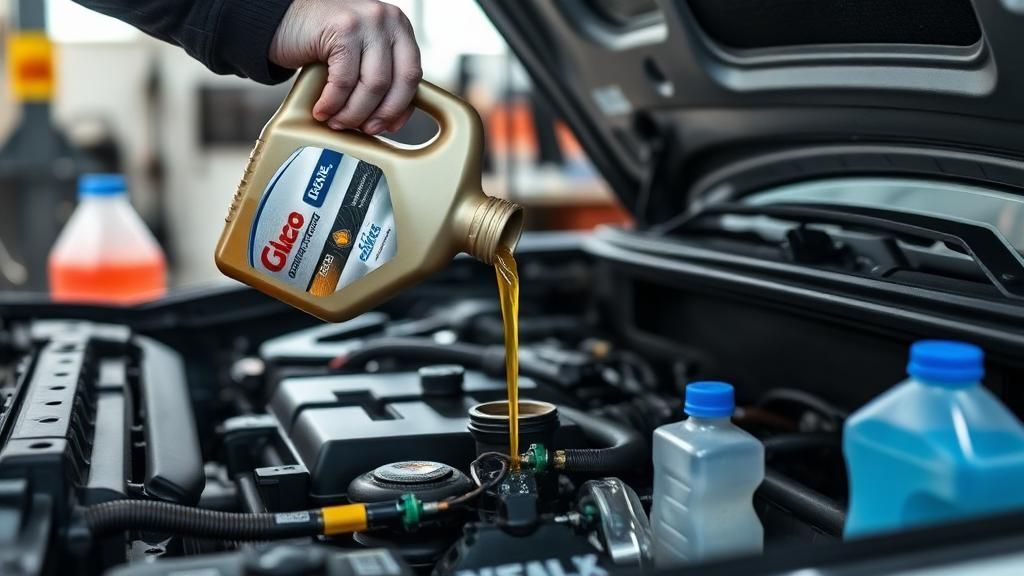
Using the correct type and viscosity of motor oil, as recommended by your vehicle manufacturer, can reduce engine friction and improve fuel efficiency.
Wheel Alignment
Misaligned wheels can increase rolling resistance and unnecessary drag, impacting your fuel economy and causing premature tire wear. Our potholes here in Central MA are notorious for knocking alignments out!
Oxygen Sensor
A faulty oxygen sensor can throw off your engine's fuel-air mixture, leading to significantly reduced fuel economy.
By keeping your vehicle in top shape, you're not just extending its lifespan and avoiding costly repairs; you're actively contributing to a healthier car maintenance budget and saving money on gas every time you drive through Worcester, Paxton, or beyond.
Ready to Boost Your Fuel Efficiency?
Implementing these smart driving habits, combined with regular, professional maintenance, will undoubtedly help you achieve better gas mileage and keep more money in your travel fund. Don't let those Central MA commutes drain your wallet! If you’re ready to ensure your vehicle is running as efficiently as possible, or if you have any questions about your car maintenance budget, don't hesitate to reach out to us at Village Auto Repair. We’re here to help drivers in Worcester, Paxton, Rutland, West Boylston, Shrewsbury, and Princeton get the most out of their vehicles. Schedule your service today, and let's get your car running at its peak efficiency!
The Importance of Scheduled Maintenance for Your Vehicle: Insights from Village Repair in Holden, MA