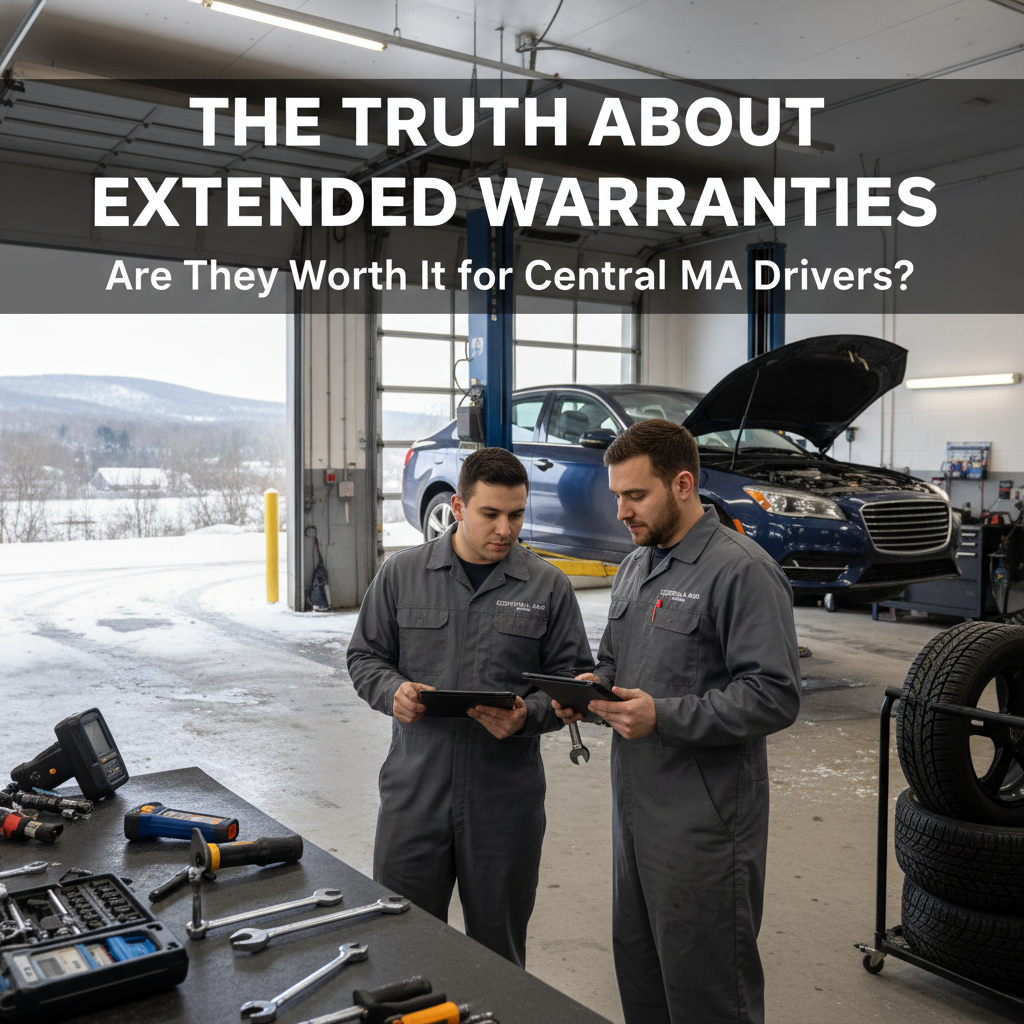
The Truth About Extended Warranties: Are They Worth It for Central MA Drivers?
As April brings spring rains to Central Massachusetts, ensuring clear visibility is crucial for safe driving. This post by Ted Dumas of Village Auto Repair highlights the importance of checking and replacing worn wiper blades, which take a beating during harsh winters. It details signs of failing blades, recommends replacement every 6-12 months, and offers additional tips like checking washer fluid, cleaning windshields, and inspecting lights and tires to prepare your vehicle for wet spring conditions.
The Truth About Extended Warranties: Are They Worth It for Central MA Drivers?
Hey Central Massachusetts drivers! Ted Dumas here from Village Auto Repair, your trusted neighbors for all things auto in Worcester, Paxton, Rutland, and beyond. Today, we're tackling a topic that often sparks a lot of questions and sometimes confusion: extended warranties. Are they a savvy investment or just an extra expense? Let's break it down, especially with our unique New England driving conditions in mind.
Understanding What an Extended Warranty Is (and Isn't)
First, let's clarify. An extended warranty isn't really a "warranty" in the traditional sense. A manufacturer's warranty comes with a new car and covers defects from the factory. An extended warranty (often called a vehicle service contract) is essentially an insurance policy. You pay a premium, and in return, certain repairs are covered for a set period or mileage after your original factory warranty expires.
There are generally two types:
- Manufacturer-backed: These are usually offered by the carmaker and are often more comprehensive and reputable.
- Third-party: These come from independent companies and can vary widely in terms of coverage, cost, and reliability.
Why Central MA Drivers Might Consider an Extended Warranty
Living and driving in Central Massachusetts presents some unique challenges that can make an extended warranty seem appealing, especially as cars age:
Our Brutal Winters and Road Salt:
We all know January in Central MA means snow, ice, and, unfortunately, a heavy dose of road salt. This combination is harsh on vehicles. Salt accelerates corrosion on undercarriage components, brake lines, and electrical connections. While an extended warranty won't prevent this, it could cover the repair of components that fail prematurely due to corrosion-related issues, provided a specific part replacement is covered under the contract.
Pothole Gauntlet:
Ah, spring in Central MA – when the snow melts and reveals a minefield of potholes! Hitting a severe pothole can wreak havoc on your suspension, steering components, and even tires and wheels. Some higher-tier extended warranties might offer coverage for specific suspension or steering repairs, but it's crucial to check the fine print. Often, damage directly caused by impact (like a bent rim) is not covered, but a subsequent failure of a connected component might be.
Older Vehicles and Rising Repair Costs:
As your vehicle ages, the likelihood of needing significant repairs increases. With the cost of parts and labor constantly on the rise, a major repair can quickly become a five-figure headache. An extended warranty can act as a financial buffer against these unexpected, costly breakdowns. For drivers in Worcester, Holden, or Shrewsbury who rely on their vehicle for daily commutes, an unexpected large repair can be a huge burden.
The Downsides and What to Look Out For
It's not all sunshine and covered repairs, though. There are important considerations:
Cost vs. Benefit:
Extended warranties can be expensive, often costing thousands of dollars upfront or financed into your car loan. You need to weigh this cost against the likelihood and potential cost of future repairs. Many consumers end up paying more for the warranty than they ever receive in covered repairs.
Exclusions and Fine Print:
This is where things get tricky. No extended warranty covers everything. Common exclusions include:
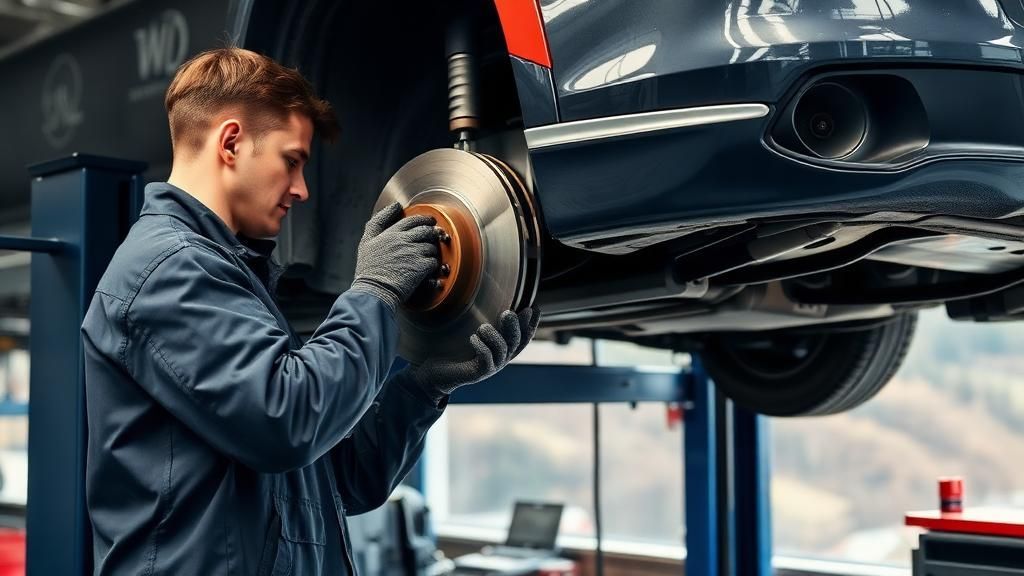
- Wear and tear items: Brakes, tires, wiper blades, light bulbs, clutches – these are generally not covered.
- Routine maintenance: Oil changes, tire rotations, tune-ups are always your responsibility.
- Pre-existing conditions: If a problem existed before you bought the warranty, it won't be covered.
- Specific deductibles and limits: You'll likely have a deductible per repair, and there might be limits on how much they...
The Importance of Scheduled Maintenance for Your Vehicle: Insights from Village Repair in Holden, MA