Check Engine Light On? Don't Panic! A Central MA Guide
As April brings spring rains to Central Massachusetts, ensuring clear visibility is crucial for safe driving. This post by Ted Dumas of Village Auto Repair highlights the importance of checking and replacing worn wiper blades, which take a beating during harsh winters. It details signs of failing blades, recommends replacement every 6-12 months, and offers additional tips like checking washer fluid, cleaning windshields, and inspecting lights and tires to prepare your vehicle for wet spring conditions.
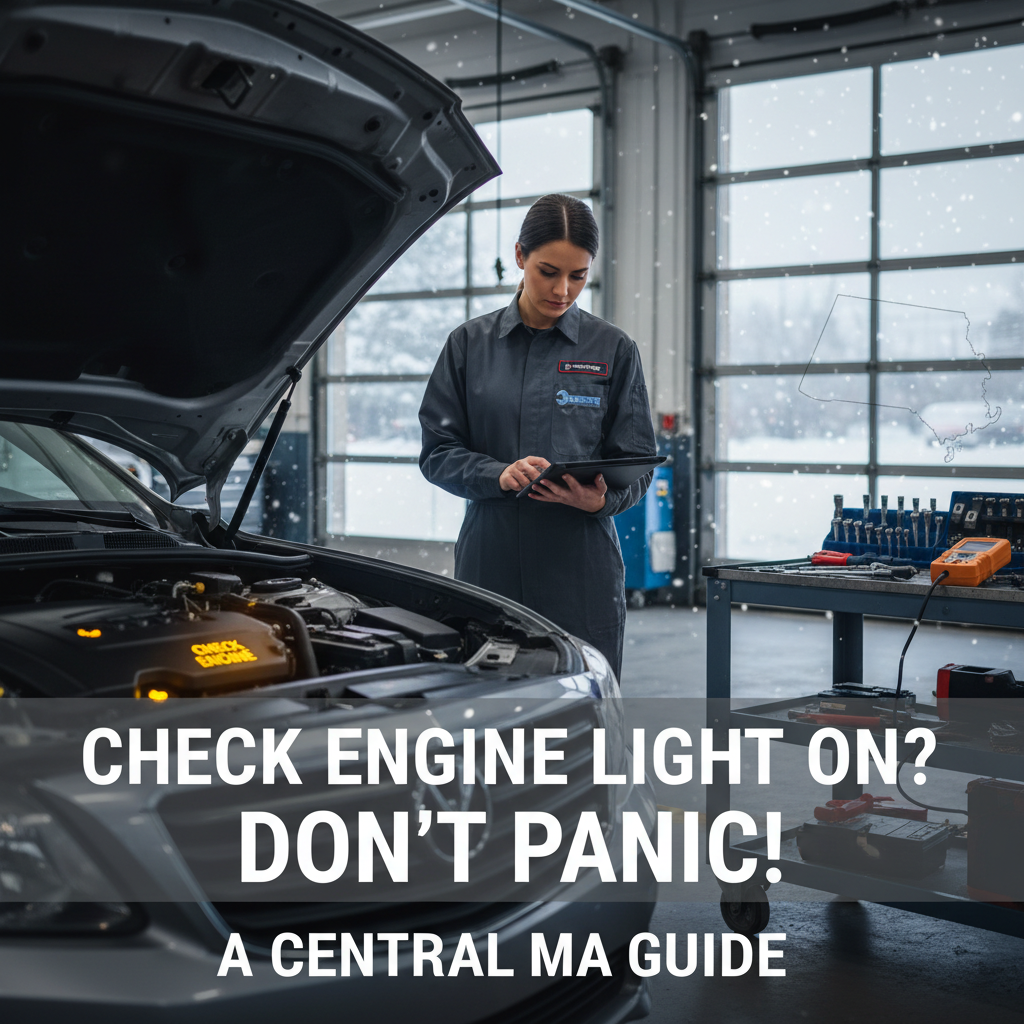
Check Engine Light On? Don't Panic! A Central MA Guide
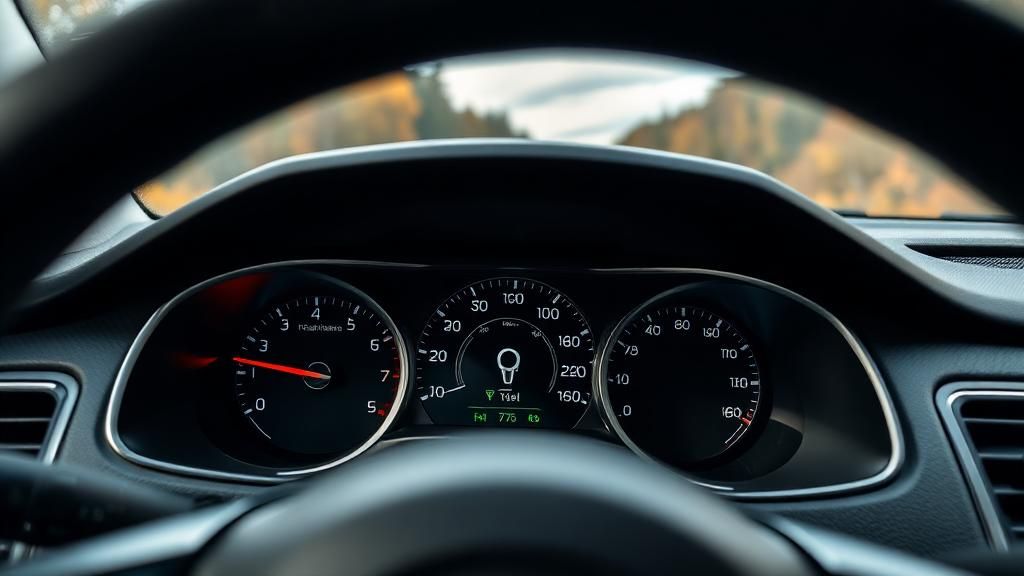
It's a sight no driver wants to see, especially not when the temperatures plummet and the roads are coated in ice and salt: the dreaded "Check Engine" light illuminating your dashboard. Your heart sinks. Is it something serious? Can I still drive? What does it even mean?
Here at Village Auto Repair, serving our neighbors in Worcester, Paxton, Rutland, and beyond, we understand the concern. In Central Massachusetts, our vehicles endure a lot – from the brutal winters and corrosive road salt to the never-ending potholes that seem to multiply overnight. These conditions can often play a role in why that warning light decides to make an appearance. But don't worry, taking a deep breath and understanding what's going on is the first step.
What Does the Check Engine Light Mean, Anyway?
First things first, it's important to know that the Check Engine Light (CEL), also known as the Malfunction Indicator Lamp (MIL), is your car's way of telling you that something in the engine or emissions system isn't operating correctly. It's not always a sign of impending doom, but it's never something to ignore, especially during our harsh Central MA winters.
The light can illuminate for a variety of reasons, ranging from very minor issues to more significant problems that require immediate attention. It's connected to your car's On-Board Diagnostics (OBD-II) system, which constantly monitors various components for optimal performance.
Common Causes for a Check Engine Light in Central MA
Let's talk about some of the most frequent culprits we see at Village Auto Repair that trigger the Check Engine light. Many of these are particularly relevant to our local driving conditions:
1. Loose, Damaged, or Missing Gas Cap
Believe it or not, this is often the simplest fix! Our gas caps are part of the vehicle's evaporative emissions system (EVAP). If it's not sealed properly, fuel vapors can escape, and your car's computer will detect a leak, triggering the CEL. In January, with numb fingers from the cold, it's easy to not tighten it enough after filling up. Always make sure it clicks!
2. Failing Oxygen Sensor (O2 Sensor)
The O2 sensor measures the amount of unburned oxygen in your exhaust system. This data helps your car's computer maintain the correct air-fuel mixture. A faulty sensor can lead to decreased fuel economy, increased emissions (a big concern for those inspection stickers!), and potential damage to your catalytic converter. Our winters and road salt can accelerate the wear and tear on these sensors, as they are exposed to the elements under your vehicle.
3. Bad Spark Plugs or Ignition Coils
Spark plugs ignite the air-fuel mixture in your engine cylinders. If they're worn out or the ignition coils that power them are failing, your engine might misfire. You might notice a rough idle, reduced power, or decreased fuel efficiency. These issues can become more pronounced in cold weather, making starting your car in a Central MA winter morning a challenge.
4. Faulty Catalytic Converter
This is a more serious (and often expensive) issue. The catalytic converter converts harmful exhaust gases into less harmful ones. If it fails, your car will pollute more, and you'll likely experience significant loss of engine power and reduced fuel economy. Potholes and road debris, common on our Massachusetts roads, can sometimes physically damage a catalytic converter.
5. Mass Airflow Sensor (MAF) Failure
The MAF sensor measures the amount of air entering the engine, which is crucial for determining how much fuel to inject. A faulty MAF sensor can lead to a variety of driving problems, including stalling, rough idling, and poor acceleration. Dirt and contaminants, especially those encountered during winter driving, can sometimes affect MAF sensor performance.
6. Vacuum Leaks
Your engine relies on various vacuum lines for proper operation of many components. A leak in one of these lines can throw off the air-fuel mixture, leading to a CEL. Hoses and seals can become brittle with age and extreme temperature fluctuations common in Central MA, making them more susceptible to cracks and leaks.
What To Do When Your Check Engine Light Comes On
Okay, so the light is on. Now what? Here's your actionable plan:
Don't Panic (But Don't Ignore It!): While it's rarely an emergency requiring you to pull over immediately (unless other warning lights are on or you notice severe performance issues like smoke or extreme shaking), it's definitely a signal to investigate soon.
Check Your Gas Cap: Seriously, this is step one. Pull over safely, remove your gas cap, and put it back on, making sure it's securely tightened until you hear a click or two. Drive for a bit and see if the light resets itself. Sometimes it takes a few driving cycles.
Note Any Other Symptoms: Is your car driving differently? Is there a strange smell? Is it making unusual noises? Is the engine revving higher than usual? Is your fuel economy suddenly terrible? Write down anything out of the ordinary, as this information will be very helpful to our technicians.
Avoid Prolonged Driving with a Flashing Check Engine Light: If the Check Engine Light is flashing, that usually indicates a severe engine misfire. This situation can quickly lead to costly damage to your catalytic converter. If it's flashing, it's best to pull over safely and call for a tow to Village Auto Repair.
Get It Diagnosed ASAP: Even if your car seems to be driving fine, an illuminated Check Engine Light means something is amiss. Delaying diagnosis can turn a minor issue into a major, more expensive repair. At Village Auto Repair, we have the specialized diagnostic tools to read the trouble codes stored in your car's computer system. These codes give us a precise starting point to identify the underlying problem.
Why Professional Diagnosis is Crucial
While basic OBD-II scanners are available for purchase, they only provide a generic trouble code. Interpreting these codes and understanding their implications requires expertise. Our certified technicians at Village Auto Repair don't just read the code; we combine that information with our vast experience, visual inspections, and further testing to accurately pinpoint the root cause. This ensures you only pay for the repairs you truly need, preventing unnecessary work.
Especially with the brutal conditions our vehicles face in Central Massachusetts – from the corrosive road salt eating away at components to the constant jarring from potholes – a professional diagnosis is vital to keep your car safe, reliable, and running efficiently.
Don't Let Winter Worries Slow You Down!
When that Check Engine Light comes on, especially during these cold Central MA winter months, don't let it add to your stress. Trust the experienced team at Village Auto Repair. We're here to provide honest, transparent, and expert service to get you back on the road safely and efficiently. Give us a call or stop by to schedule your diagnostic appointment today!
The Importance of Scheduled Maintenance for Your Vehicle: Insights from Village Repair in Holden, MA