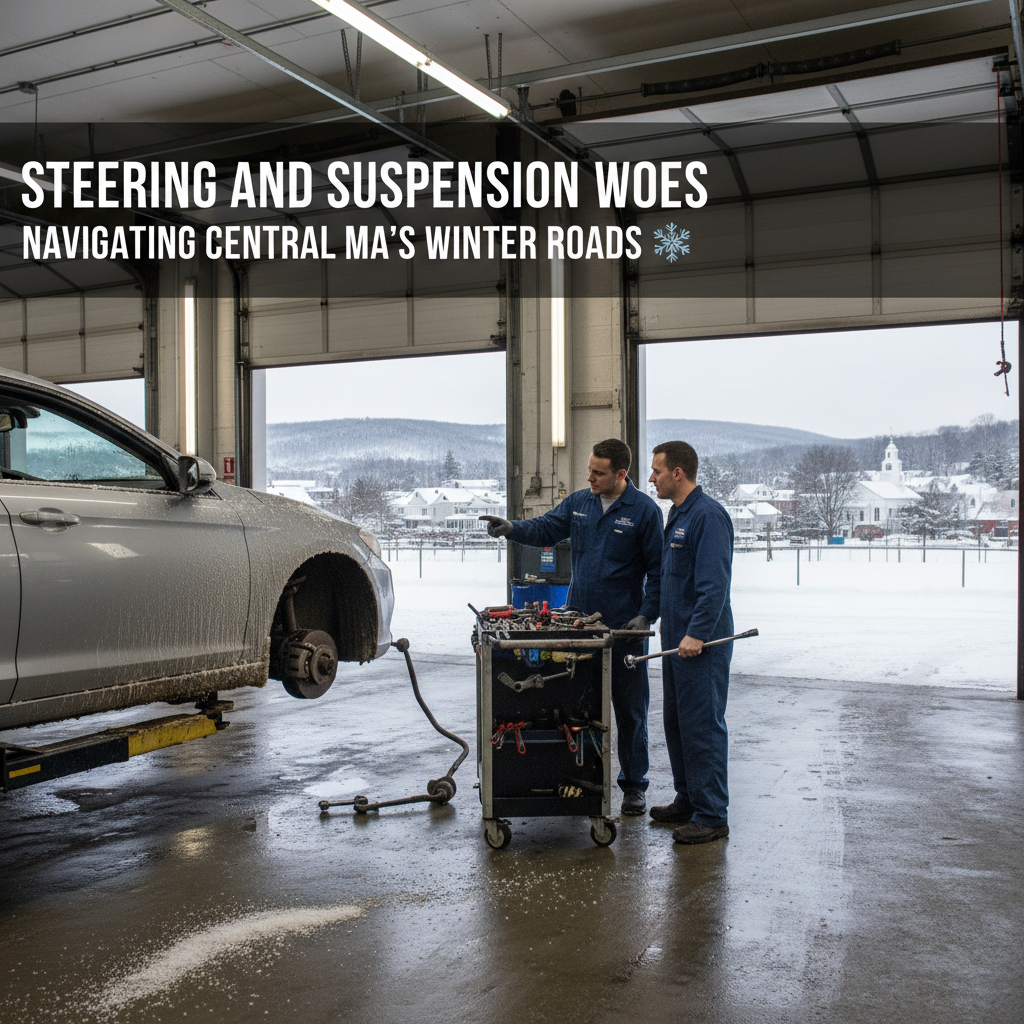
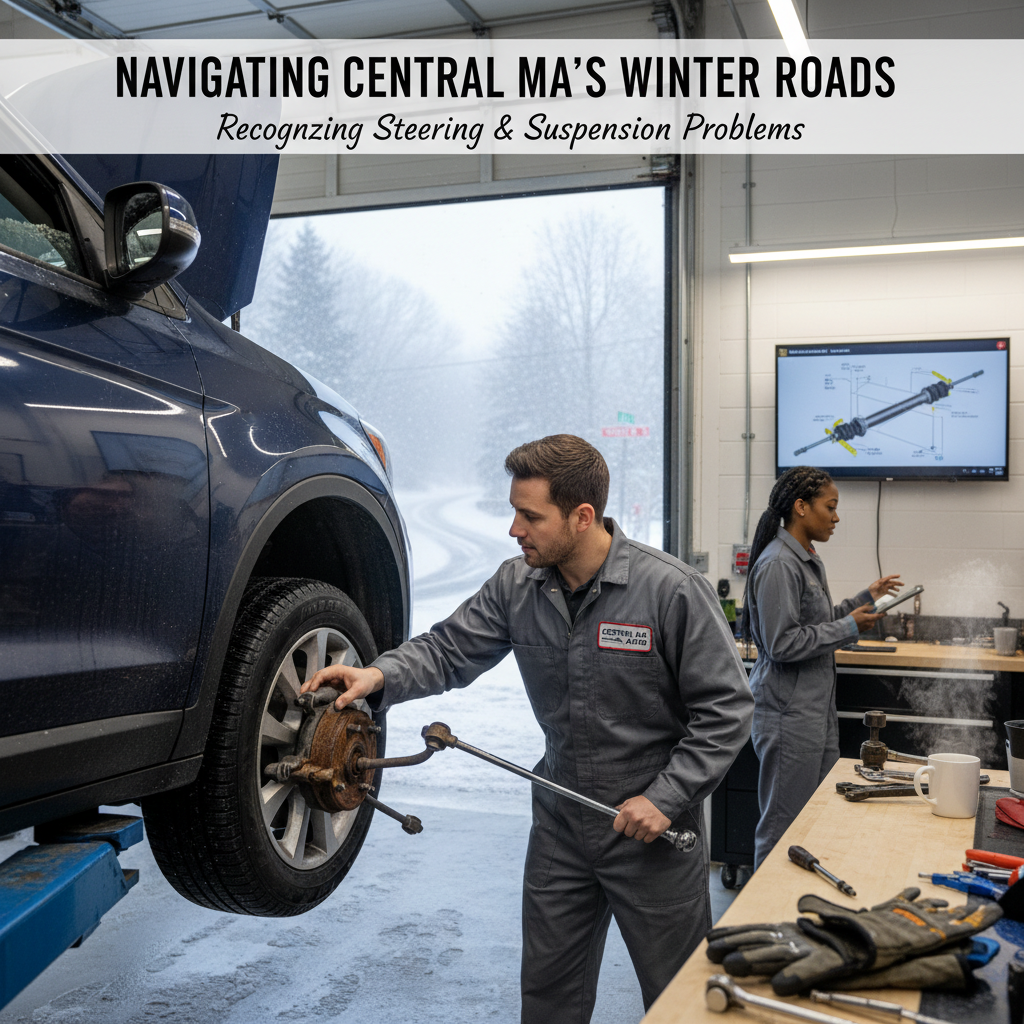
Navigating Central MA's Winter Roads: Recognizing Steering & Suspension Problems
As April brings spring rains to Central Massachusetts, ensuring clear visibility is crucial for safe driving. This post by Ted Dumas of Village Auto Repair highlights the importance of checking and replacing worn wiper blades, which take a beating during harsh winters. It details signs of failing blades, recommends replacement every 6-12 months, and offers additional tips like checking washer fluid, cleaning windshields, and inspecting lights and tires to prepare your vehicle for wet spring conditions.
Navigating Central MA's Winter Roads: Recognizing Steering & Suspension Problems
Naturally, living in Central Massachusetts, we're no strangers to the challenges our roads present, especially during the harsh winter months. Between the constant freeze-thaw cycles, a seemingly endless assault of road salt, and the inevitable potholes that emerge like unwelcome guests, our vehicles' steering and suspension systems truly bear the brunt. As Ted Dumas, owner of Village Auto Repair, I want to equip you with the knowledge to identify the early warning signs of steering and suspension trouble. Catching these issues early can save you from more extensive and costly repairs down the line, and most importantly, keep you safe on our local roads, whether you're commuting through Worcester, cruising in Paxton, or tackling the hills of Princeton.
Understanding Your Steering and Suspension System
Think of your car's steering and suspension as the unsung heroes that connect you to the road, providing both control and comfort. The suspension system, comprised of shocks, struts, springs, and various linkages, literally "suspends" your car above its wheels, absorbing bumps and keeping your tires firmly on the ground. The steering system, on the other hand, translates your input from the steering wheel into the wheels' direction, allowing you to navigate turns and curves with precision. When these systems are working harmoniously, you experience a smooth, controlled ride. When they start to falter, however, things can get bumpy, unpredictable, and even dangerous.
The Central MA Winter Assault: Why Our Vehicles Suffer More
Our Central Massachusetts winters are particularly brutal on steering and suspension components. Here's why:
Potholes: The Nemesis of Your Suspension
This time of year, potholes are practically a state-mandated obstacle course. Hitting a pothole creates a sudden, forceful impact that can bend or break suspension components, misalign your wheels, and even damage tires and rims. The colder it gets, the more brittle these components become, making them more susceptible to damage.
Road Salt and Brine: The Corrosive Culprit
The very salt and brine solutions used to keep our roads clear unfortunately accelerate corrosion on metal parts of your suspension and steering systems. Bushings can degrade faster, bolts can seize, and moving parts can become stiff or noisy.
Temperature Extremes: Less Flexibility
Extreme cold can cause rubber and plastic components, like bushings and seals, to become less flexible and more prone to cracking. This can lead to premature wear and tear and allow contaminants to enter sensitive areas.
Key Warning Signs to Watch (and Listen!) For
Being proactive starts with recognizing the symptoms. Here are some common indicators that your steering or suspension might need attention:
1. Bumping, Clunking, or Rattling Noises
Any unusual noises coming from under your car, especially when going over bumps, turning, or driving on uneven surfaces, are red flags. These could indicate loose or worn components such as ball joints, tie rod ends, sway bar links, or strut mounts. In Central MA, with all our cracked pavement and frost heaves, these noises are often the first sign something isn't right.
2. A Rough or Bumpy Ride
If every small bump in the road feels like a major jolt, or if your car feels excessively bouncy after hitting a dip, your shocks or struts are likely worn out. They're no longer effectively absorbing impacts. This isn't just about comfort; it affects tire contact with the road, reducing braking effectiveness and overall control.
3. Drifting or Pulling to One Side
Does your car constantly want to wander or pull to the left or right, even when you're trying to drive straight? This is a classic sign of an alignment issue, often caused by hitting potholes, or worn steering components like tie rods or control arm bushings. This can lead to uneven tire wear and makes driving more strenuous and less safe.
4. Uneven Tire Wear
While not always immediately obvious, take a look at your tires. If one tire is significantly more worn on one edge than the other, or if you see patchy wear patterns, it's a strong indicator of alignment problems or worn suspension components. This means your tires aren't making proper contact with the road, reducing grip and increasing your risk of a blowout.
5. Loose or Sloppy Steering
If you find yourself constantly correcting the steering wheel to keep your car going straight, or if there's excessive play in the steering—meaning you can turn the wheel a good amount before the wheels actually respond—you likely have worn steering components. This could be anything from a loose tie rod to a problem with your power steering system. "Play" in your steering system can make precise maneuvers difficult and driving feel unstable.
6. Vehicle Dips or "Nosedives" When Braking
When you apply the brakes, does the front of your car lurch downwards excessively, or does it noticeably lean to one side during turns? This indicates worn shocks or struts that are no longer able to stabilize the vehicle body effectively. This compromises braking distance and control during emergency maneuvers.
7. Excessive Body Roll in Turns
If your car leans far more than it used to when going around corners, your suspension isn't providing adequate stability. This can be caused by worn sway bar links or bushings, or simply worn shocks/struts. Excessive body roll makes the car feel less planted and reduces your ability to react quickly.
Don't Delay – Prioritize Your Safety
Ignoring steering and suspension problems is not just uncomfortable; it's a significant safety hazard. Worn components can lead to a loss of control, increased stopping distances, and catastrophic failure while driving. Especially with our challenging Central MA winter roads, keeping these systems in top shape is paramount. Imagine needing to swerve to avoid black ice or an unexpected obstruction, only to find your steering unresponsive or your car rocking precariously.
Proactive Maintenance and What Village Auto Repair Can Do
Regular inspections are your best defense against major steering and suspension issues. At Village Auto Repair, serving Worcester, Paxton, Rutland, West Boylston, and surrounding towns, we can perform a thorough inspection of your vehicle's steering and suspension system. We'll check for:
- Worn shock absorbers and struts
- Damaged or corroded springs
- Loose or worn ball joints and tie rod ends
- Cracked or degraded bushings
- Power steering fluid levels and leaks
- Wheel alignment (and correct it if needed)
If you notice any of the signs mentioned above, especially after hitting a particularly nasty pothole (and let's be honest, that's a daily occurrence around here!), don't hesitate to bring your vehicle in. We're here to provide an honest assessment and reliable repairs, ensuring your car is safe and ready to tackle whatever Central Massachusetts roads throw its way. Your safety and the longevity of your vehicle are our top priorities. Let us help you keep your ride smooth and secure throughout the seasons.
Schedule your steering and suspension check-up today at Village Auto Repair!
The Importance of Scheduled Maintenance for Your Vehicle: Insights from Village Repair in Holden, MA