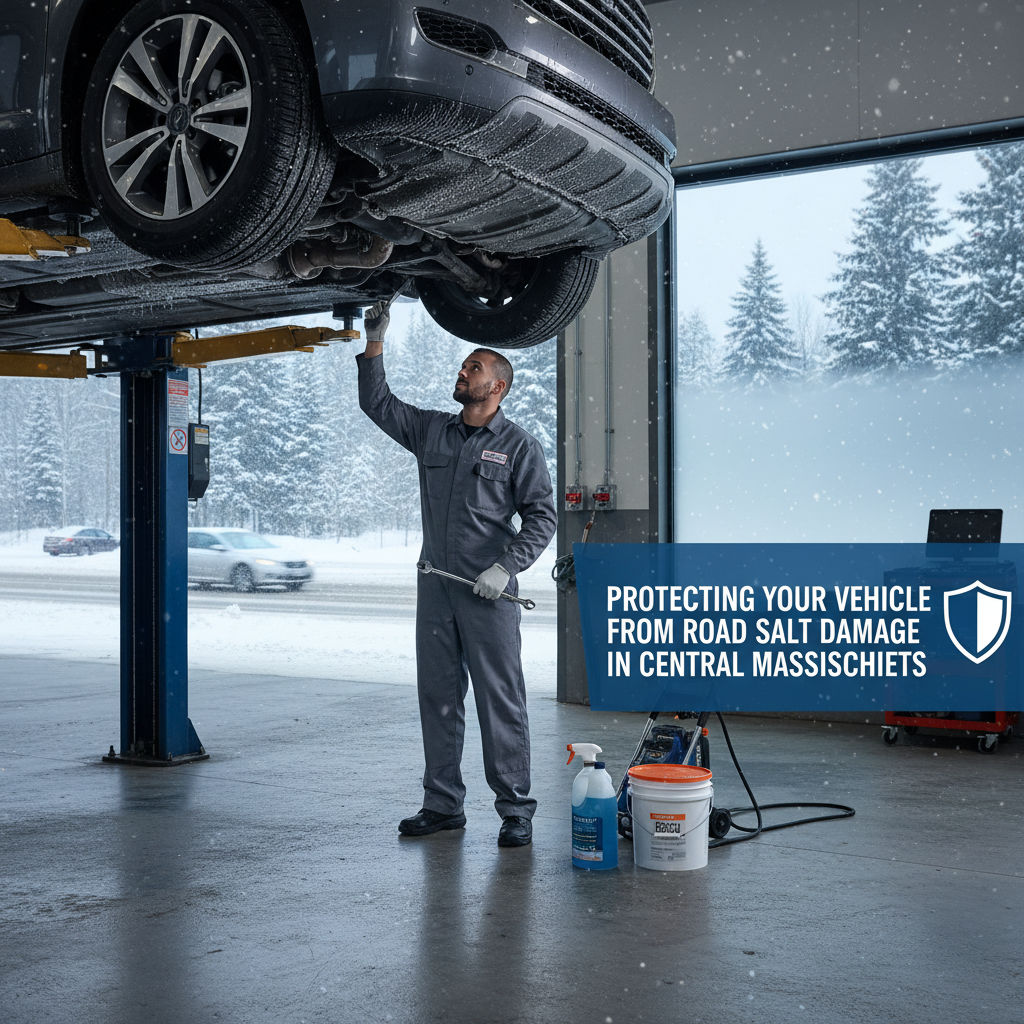
Protecting Your Vehicle from Road Salt Damage in Central Massachusetts
As April brings spring rains to Central Massachusetts, ensuring clear visibility is crucial for safe driving. This post by Ted Dumas of Village Auto Repair highlights the importance of checking and replacing worn wiper blades, which take a beating during harsh winters. It details signs of failing blades, recommends replacement every 6-12 months, and offers additional tips like checking washer fluid, cleaning windshields, and inspecting lights and tires to prepare your vehicle for wet spring conditions.
Protecting Your Vehicle from Road Salt Damage in Central Massachusetts
Winter in Central Massachusetts brings with it a unique set of challenges for vehicle owners, and perhaps none is as pervasive or damaging as road salt. Here in Worcester, Paxton, Rutland, West Boylston, Shrewsbury, Princeton, and Holden, we know all too well the sight of snow-covered roads giving way to slushy, briny messes. While salt is essential for making our roads safer, it's an insidious enemy to your vehicle's longevity. As Ted Dumas, owner of Village Auto Repair, I'm here to share some vital tips to help you protect your investment from the corrosive effects of road salt during these harsh months.
The Silent Destroyer: How Road Salt Attacks Your Car
Before we dive into protection, it's important to understand what we're up against. Road salt, primarily sodium chloride and magnesium chloride, works by lowering the freezing point of water, preventing ice formation. However, once dissolved, it becomes a highly corrosive electrolyte. This salty brine splashes onto every exposed part of your car, accelerating rust and corrosion on metal components, including:
- Undercarriage: Frame, suspension components, brake lines, fuel lines, exhaust system. These are constantly exposed to direct spray.
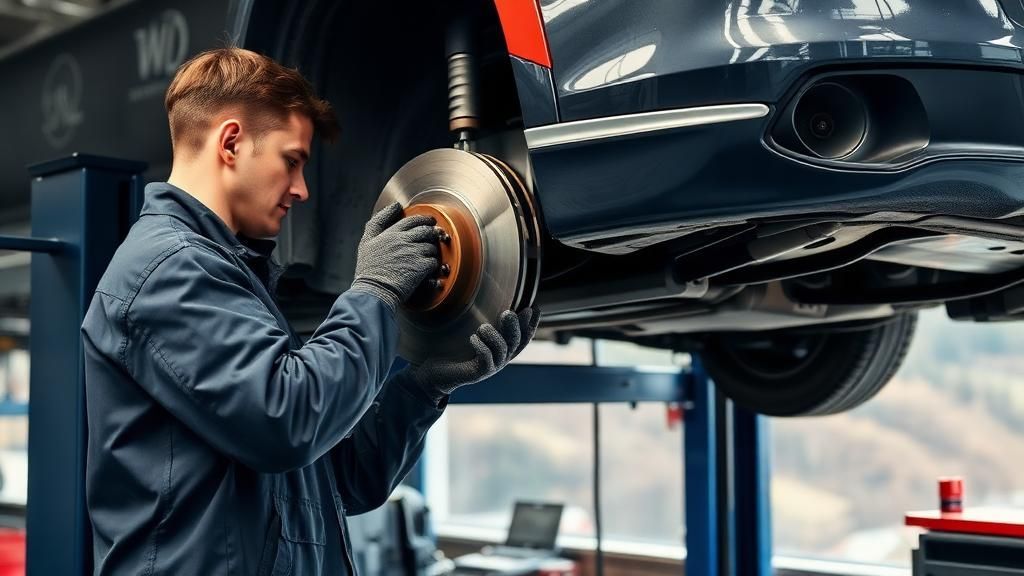
- Brake System: Calipers, rotors, and pads are particularly vulnerable, leading to premature wear and reduced braking performance.
- Body Panels: Especially around wheel wells, rocker panels, and door seams where salt can collect.
- Electrical Connections: Salt can corrode wiring and connectors, leading to electrical issues.
- Paint Finish: While paint offers some protection, prolonged exposure to salt can dull the finish and contribute to clear coat damage if not routinely cleaned.
The damage isn't just cosmetic; it can compromise structural integrity, safety, and the overall lifespan of your vehicle. Potholes, ever-present in Central MA, only compound the problem by jarring sensitive, salt-weakened components.
Ted's Top Tips for Road Salt Protection
1. Regular Underbody Washes – Your First Line of Defense
This is perhaps the most crucial step. Getting your car washed regularly, especially focusing on the undercarriage, is vital. Aim for at least once a week during periods of heavy salting. Many car washes offer undercarriage rinses, which use high-pressure water jets to blast away accumulated salt and grime. If you're washing your car at home, pay special attention to spraying every accessible part of the underside.
Why it helps: Removes the corrosive salt before it has a chance to do extensive damage.
Central MA Tip: Even on a warmer winter day (above freezing!), a quick wash can make a big difference.
2. Wax On, Salt Off: Protect Your Paint
A good quality wax or paint sealant acts as a barrier between your car's paint and the harsh winter elements, including salt. Apply a fresh coat before winter sets in, and consider reapplying it mid-season if you're diligent about washing.
Why it helps: Creates a sacrificial layer that protects the clear coat from salt, dirt, and UV rays, making subsequent washes easier.
3. Don't Forget the Interior – Floor Mats Are Key
While not directly related to road salt corrosion, what you track into your car is just as important. Snow, slush, and salt from your boots can saturate your floor mats and eventually reach the carpet, leading to mold, mildew, and even rust on the floor pan over time. Invest in all-weather rubber floor mats with deep channels to trap moisture and salt, and make sure to remove and clean them regularly.
Why it helps: Prevents interior damage and keeps your cabin fresh.
4. Proactive Rust Proofing and Undercoating
For long-term protection, especially if you plan to keep your vehicle for many years and drive through many Central MA winters, consider professional rustproofing or undercoating. These treatments apply a protective barrier to your vehicle's underbody, sealing off metal from moisture, salt, and other corrosive agents.
Why it helps: Provides a durable, lasting shield against salt corrosion, preserving your vehicle's structural integrity and resale value.
Important Note: This is best done on newer vehicles or those with minimal existing rust. Speak to the experts at Village Auto Repair to see if this is a good option for your specific vehicle.
5. Check Your Brakes Regularly
Road salt is notorious for accelerating wear on brake components. If you notice any changes in braking performance – squealing, grinding, or reduced stopping power – don't delay. Have your brakes inspected immediately. Early detection can prevent more costly repairs down the line and ensure your safety on slippery Central MA roads.
Why it helps: Ensures optimal braking performance and identifies salt-related wear before it becomes a critical safety issue.
6. Monitor for Existing Rust
Periodically inspect your vehicle for signs of rust, especially around the wheel wells, rocker panels, and underbody. Catching rust early can prevent it from spreading. Small spots can sometimes be treated before they become large, expensive problems.
Why it helps: Early intervention can save you significant repair costs and extend your vehicle's life.
When in Doubt, Ask Ted!
Living in Central Massachusetts, we understand the unique challenges our vehicles face during winter. At Village Auto Repair, we're here to help you navigate these issues and keep your car running safely and reliably. We can inspect your vehicle for salt damage, advise on preventative measures, and address any existing corrosion issues.
Don't let road salt shorten the life of your vehicle. Take these proactive steps, and if you have any concerns or need professional assistance, please don't hesitate to contact us or stop by Village Auto Repair. We serve the Worcester, Paxton, Rutland, West Boylston, Shrewsbury, Princeton, and Holden areas, and we're always ready to offer honest, expert advice.
The Importance of Scheduled Maintenance for Your Vehicle: Insights from Village Repair in Holden, MA