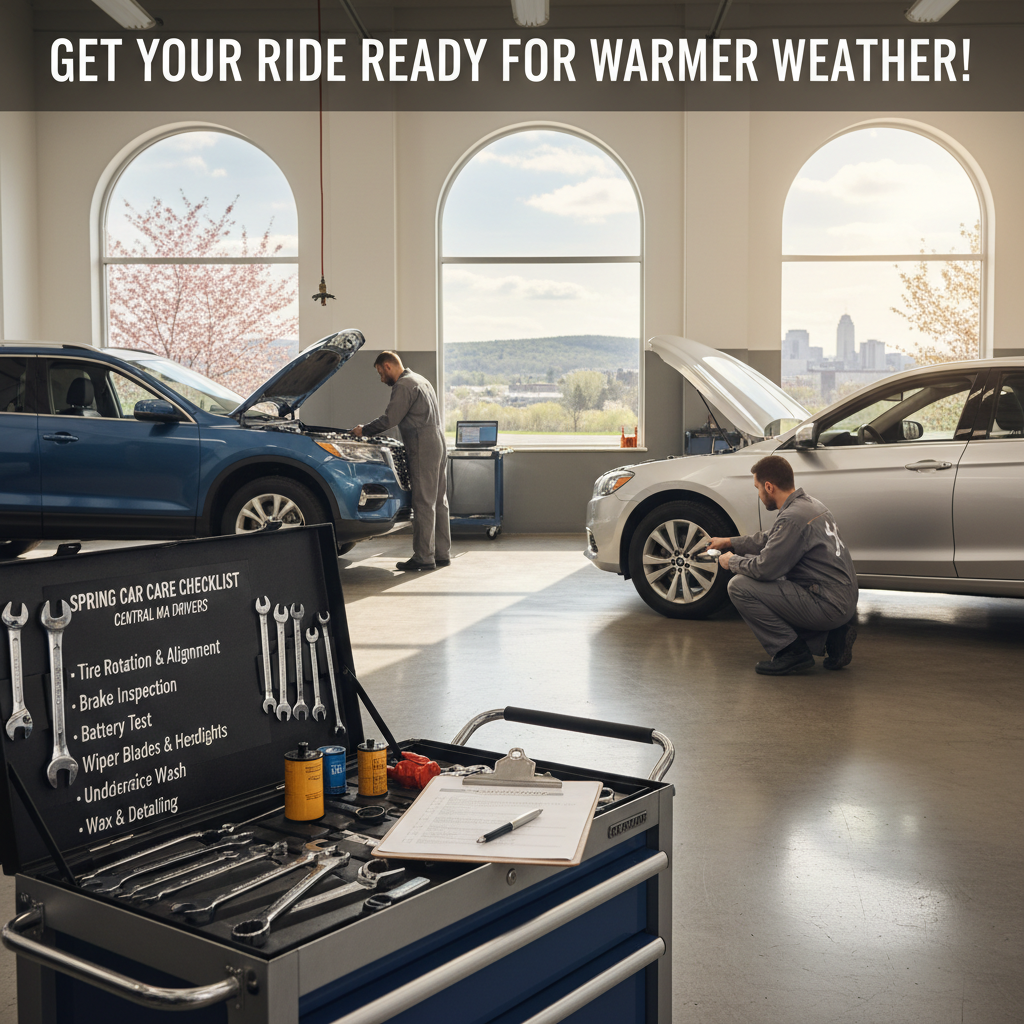
Spring Car Care Checklist for Central MA Drivers: Get Your Ride Ready for Warmer Weather!
As April brings spring rains to Central Massachusetts, ensuring clear visibility is crucial for safe driving. This post by Ted Dumas of Village Auto Repair highlights the importance of checking and replacing worn wiper blades, which take a beating during harsh winters. It details signs of failing blades, recommends replacement every 6-12 months, and offers additional tips like checking washer fluid, cleaning windshields, and inspecting lights and tires to prepare your vehicle for wet spring conditions.
Spring Car Care Checklist for Central MA Drivers: Get Your Ride Ready for Warmer Weather!
Ah, spring! After what often feels like an eternity of snow, ice, and bitter cold here in Central Massachusetts, the warmer weather and longer days are a welcome sight. While we’re all eager to shed our heavy coats and enjoy the outdoors, it’s crucial not to forget about your vehicle. Our cars take a beating during the harsh Worcester-area winters, from the constant exposure to road salt and potholes to the brutal temperature swings. Now’s the perfect time to give your car the attention it deserves and prepare it for the spring and summer driving ahead.
At Village Auto Repair, we’ve seen firsthand the toll winter takes on vehicles. That’s why I, Ted Dumas, owner of Village Auto Repair, have put together this comprehensive spring car care checklist. Following these steps will help ensure your car is reliable, safe, and ready to tackle whatever Central MA roads throw your way this spring.
1. Wash Away Winter’s Grime: A Deep Clean is Essential
The first and most important step in your spring car care routine is a thorough cleaning, both inside and out. Road salt is incredibly corrosive and can do significant damage to your car’s paint, undercarriage, and even brake lines if left unchecked. Potholes also splash grime and debris into every nook and cranny.
- Exterior Wash: Don't just go for a quick rinse. Opt for a comprehensive wash that includes the undercarriage. Many car washes offer an undercarriage spray, which is invaluable for washing away remnants of salt and sand. If you’re washing at home, pay special attention to the wheel wells and all areas where salt can accumulate.
- Wax On: After a good wash, apply a fresh coat of wax. This will protect your paint from the elements, including spring rains and UV rays, and make it easier to clean in the future.
- Interior Detail: Vacuum up all the dirt, sand, and debris tracked in during winter. Clean and protect interior surfaces, especially if you’ve been dealing with muddy boots or spilled hot beverages.
2. Check Your Tires: Your Car’s Only Contact with the Road
Your tires are critical for safety and performance, and winter driving can be particularly hard on them, especially with all the potholes we encounter in areas like Paxton and Rutland.
- Tire Pressure: As temperatures rise, so does the air pressure in your tires. Check your tire pressure and adjust it to the manufacturer’s recommended PSI (you can usually find this on a sticker inside your driver’s side door jamb, not on the tire itself). Proper tire pressure improves fuel efficiency and extends tire life.
- Tread Depth: Inspect your tire tread for wear and tear. Use the "penny test" – insert a penny into a tread groove with Lincoln’s head upside down and facing you. If you can see all of Lincoln’s head, your tread is too shallow, and it’s time for new tires. Uneven wear could indicate an alignment issue caused by hitting a few too many West Boylston potholes!
- Rotation: If you haven’t had your tires rotated recently, spring is a great time to do it. Regular rotations help ensure even wear.
- Winter Tire Swap: If you’re using dedicated winter tires, now’s the time to swap them out for your all-season or summer tires. Driving on winter tires in warmer temperatures can cause them to wear out faster and negatively impact handling and fuel economy.
3. Inspect Your Brakes: Essential for Safety in All Conditions
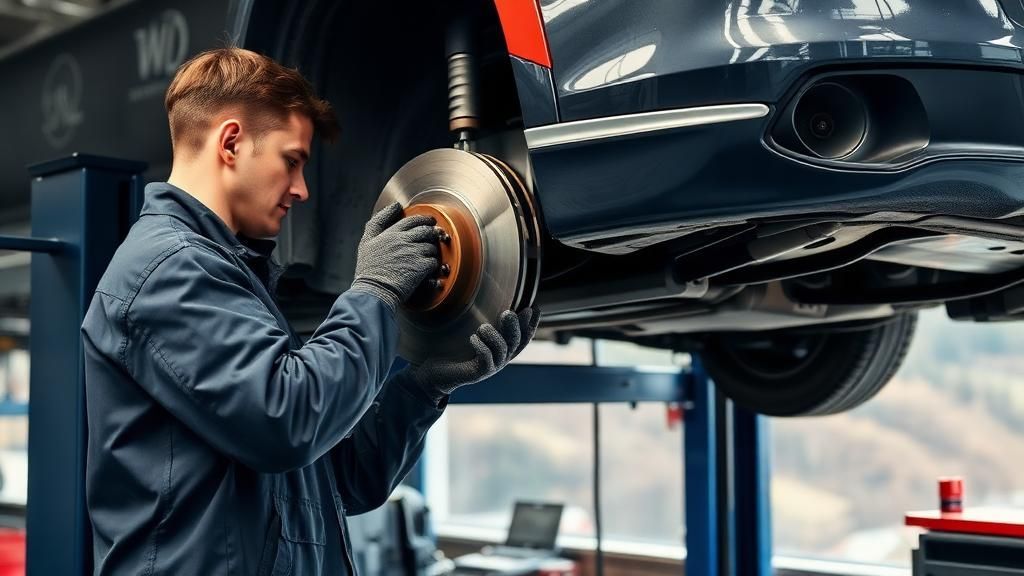
Between slush, salt, and sudden stops, your brakes work overtime during winter. Spring is an ideal time for a thorough brake inspection.
- Listen and Feel: Pay attention to any squealing, grinding, or pulsating sensations when you brake. These are signs that your brakes need attention.
- Visual Check: If you can safely do so, visually inspect your brake pads for wear. However, for a complete assessment, it’s best to have a professional look at them.
- Brake Fluid: Check your brake fluid level and condition. It should be clear and at the proper level.
4. Under the Hood: Fluids, Belts, and Hoses
Winter’s temperature extremes can take a toll on the rubber and plastic components under your hood, and cold weather can thicken fluids, making your engine work harder.
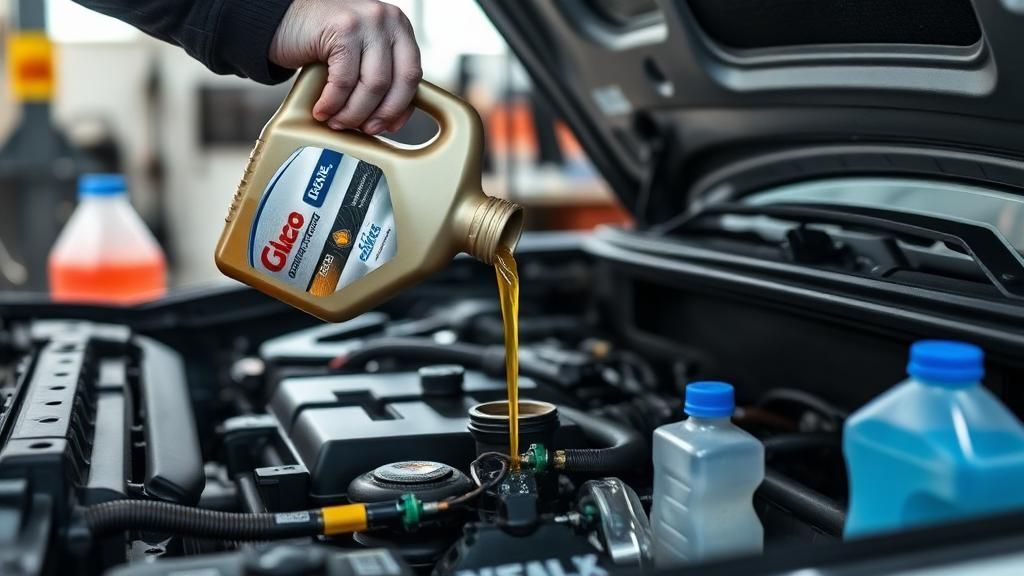
- Fluid Checks: Check all your essential fluids: engine oil, transmission fluid, power steering fluid, and windshield wiper fluid. Top off or change as needed. Consider an oil change if it's due, especially after winter’s harder working conditions.
- Belts and Hoses: Inspect all belts for cracks, fraying, or excessive wear. Check hoses for bulges, leaks, or hardened spots. Replacing them before they fail can save you from a breakdown.
- Battery Health: Cold weather is notoriously hard on car batteries. While you might have made it through winter, warmer weather can sometimes expose a weakening battery. Have your battery tested to ensure it’s holding a charge properly. A dying battery can leave you stranded unexpectedly in Shrewsbury or Princeton.
- Wiper Blades: Winter’s ice and snow can tear and crack wiper blades. New blades are inexpensive and dramatically improve visibility during spring showers. Top off your wiper fluid with a good quality, streak-free formula.
5. Lighting Check: See and Be Seen
With earlier sunsets and often foggy mornings, proper lighting is always important, especially with the increased pedestrian and bicycle traffic in spring.
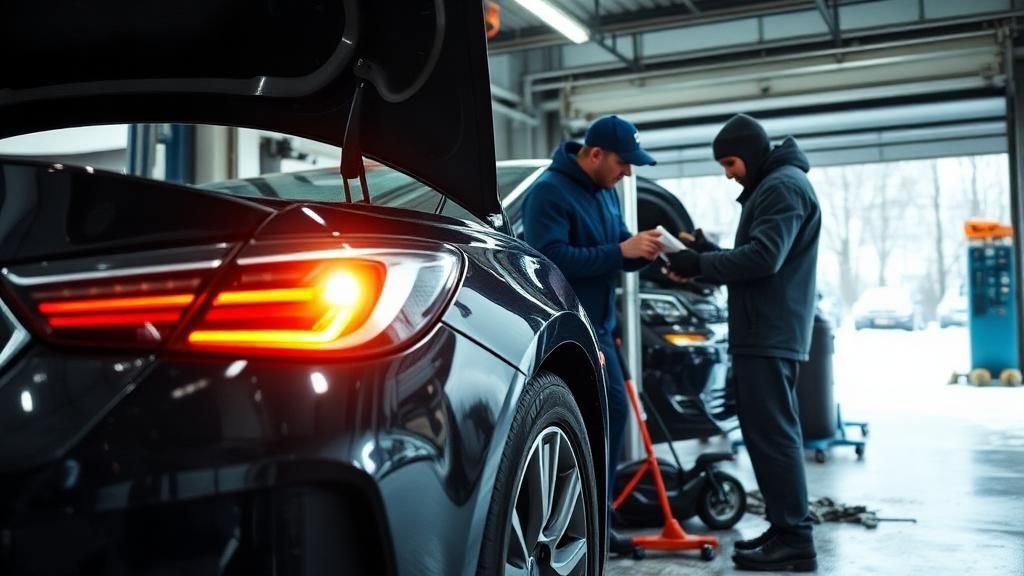
- All Lights: Check your headlights (both high and low beams), tail lights, brake lights, and turn signals. Replace any burnt-out bulbs immediately.
- Headlight Clarity: If your headlight lenses look foggy or yellowed, consider a headlight restoration service. Clear headlights significantly improve nighttime visibility.
6. Suspension and Steering: Pothole & Road Salt Aftermath
This is particularly important for Central Massachusetts drivers. The constant barrage of potholes on roads in Holden, Paxton, and even right here in Worcester can wreak havoc on your suspension and steering components.
- Alignment: If you notice your car pulling to one side, uneven tire wear, or a crooked steering wheel, you likely need a wheel alignment. Hitting a large pothole can easily knock your alignment out.
- Shocks/Struts: Look for fluid leaks around your shocks or struts, and pay attention to excessive bouncing after hitting a bump. Worn-out suspension components not only make for an uncomfortable ride but also affect handling and braking.
- Steering Components: Any unusual noises when turning, looseness in the steering wheel, or difficulty steering should be checked by a professional without delay.
Don't Let Winter's Effects Linger - Visit Village Auto Repair!
While this checklist can help you get started, a professional spring inspection is the best way to ensure your vehicle is truly ready for the warmer months. Our experienced technicians at Village Auto Repair understand the unique challenges Central Massachusetts drivers face. We'll perform a thorough inspection, identifying any issues caused by winter’s harsh conditions before they become bigger, more expensive problems.
Don't wait for a breakdown to realize your vehicle needed attention. Stop by Village Auto Repair or give us a call today to schedule your spring car care inspection. We're conveniently located and proudly serve customers from Worcester, Paxton, Rutland, West Boylston, Shrewsbury, Princeton, Holden, and the surrounding Central MA communities. Let us help you enjoy a worry-free spring on the road!
The Importance of Scheduled Maintenance for Your Vehicle: Insights from Village Repair in Holden, MA