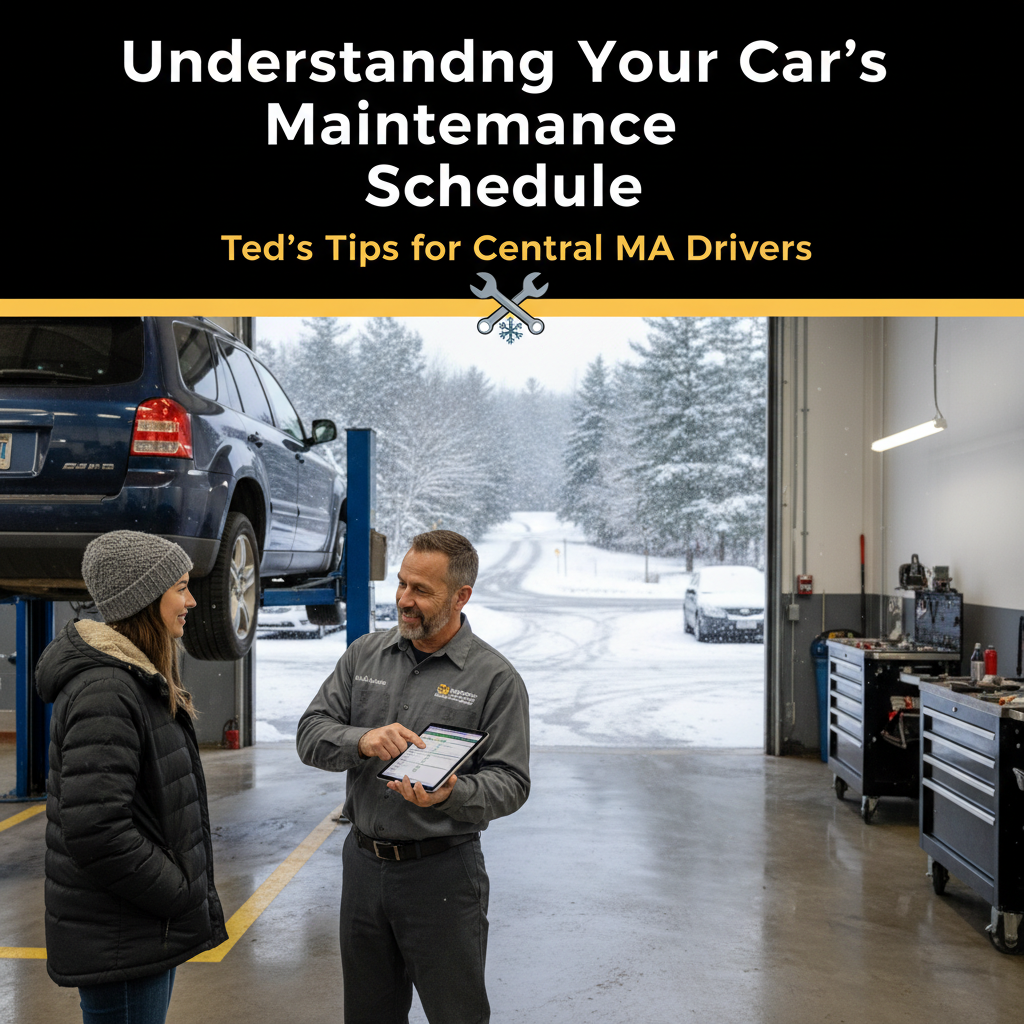
Understanding Your Car's Maintenance Schedule: Ted's Tips for Central MA Drivers
As April brings spring rains to Central Massachusetts, ensuring clear visibility is crucial for safe driving. This post by Ted Dumas of Village Auto Repair highlights the importance of checking and replacing worn wiper blades, which take a beating during harsh winters. It details signs of failing blades, recommends replacement every 6-12 months, and offers additional tips like checking washer fluid, cleaning windshields, and inspecting lights and tires to prepare your vehicle for wet spring conditions.
Understanding Your Car's Maintenance Schedule: Ted's Tips for Central MA Drivers
Hey there, Central Massachusetts drivers! Ted Dumas here from Village Auto Repair. As we trudge through what feels like the endless winter of February, it's a perfect time to talk about something crucial for your vehicle's longevity and your peace of mind: understanding your car's maintenance schedule. Here in Worcester, Paxton, Rutland, and our surrounding towns, our vehicles face some of the toughest conditions imaginable – from the brutal cold and road salt of winter to the inevitable potholes that seem to multiply with every thaw. A solid maintenance schedule isn't just a suggestion; it's your best defense against unexpected breakdowns and costly repairs.
Why a Maintenance Schedule Matters, Especially in Central MA
Think of your car's maintenance schedule like your own health check-ups. You wouldn't skip your annual physical, would you? The same goes for your vehicle. Manufacturers design these schedules based on extensive testing to ensure your car performs optimally and safely for years to come. But for us in Central Massachusetts, these schedules are even more critical. Our unique driving conditions put extra strain on just about every component of your vehicle:
- Harsh Winters: Extreme cold, road salt, and plowing take a toll on batteries, fluids, tires, brakes, and undercarriage components.
- Potholes: Our roads, especially after a rough winter, are notorious for potholes. These can wreak havoc on your suspension, alignment, tires, and wheels.
- Stop-and-Go Driving: Many of us deal with stop-and-go traffic, which can accelerate wear on brakes and transmissions.
- Seasonal Changes: The drastic shifts from frigid winters to hot summers mean your vehicle’s systems are constantly adapting.
Ignoring these factors and skipping scheduled maintenance can lead to accelerated wear, decreased fuel efficiency, and potentially dangerous situations on the road. And believe me, the last thing you want is to be stranded on the side of Route 12 or I-190 in the middle of a February snowstorm because of a preventable issue.
Decoding Your Owner's Manual: Your Car's Best Friend
The first and most important step to understanding your car's maintenance schedule is to dust off (or download) your owner's manual. Yes, that thick book you probably keep in your glove compartment is a treasure trove of information specifically tailored to your vehicle's make and model. It will outline recommended service intervals based on mileage and/or time.
Look for sections typically titled...
The Importance of Scheduled Maintenance for Your Vehicle: Insights from Village Repair in Holden, MA