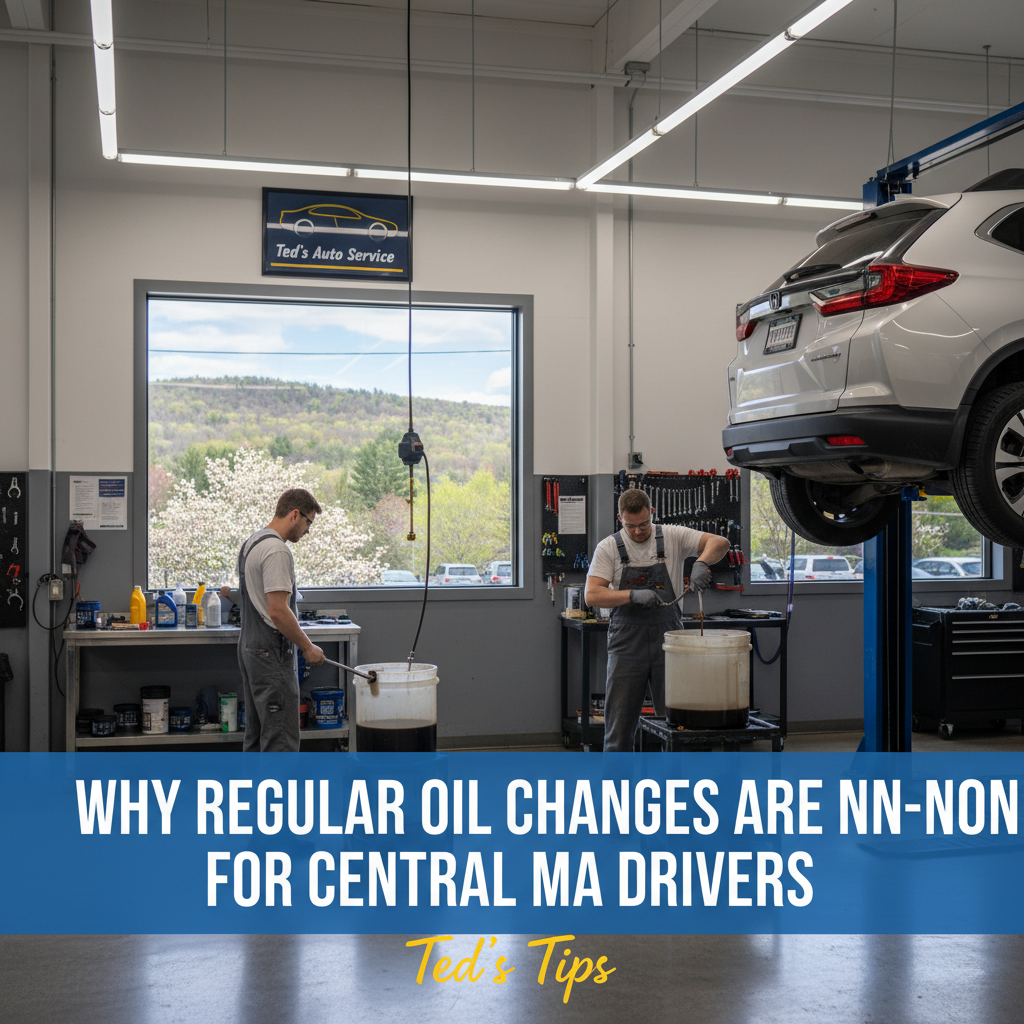
Why Regular Oil Changes are Non-Negotiable for Central MA Drivers: Ted's Tips
As April brings spring rains to Central Massachusetts, ensuring clear visibility is crucial for safe driving. This post by Ted Dumas of Village Auto Repair highlights the importance of checking and replacing worn wiper blades, which take a beating during harsh winters. It details signs of failing blades, recommends replacement every 6-12 months, and offers additional tips like checking washer fluid, cleaning windshields, and inspecting lights and tires to prepare your vehicle for wet spring conditions.
Why Regular Oil Changes are Non-Negotiable for Central MA Drivers: Ted's Tips
Hey Central Massachusetts drivers! Ted Dumas here from Village Auto Repair, and today we're tackling a topic that might seem basic, but it's absolutely fundamental to the health and longevity of your vehicle: regular oil changes. Especially here in Worcester, Paxton, Rutland, and our surrounding towns, where our cars face a unique set of challenges, understanding the 'why' behind this simple maintenance task is crucial.
The Lifeblood of Your Engine: What Oil Actually Does
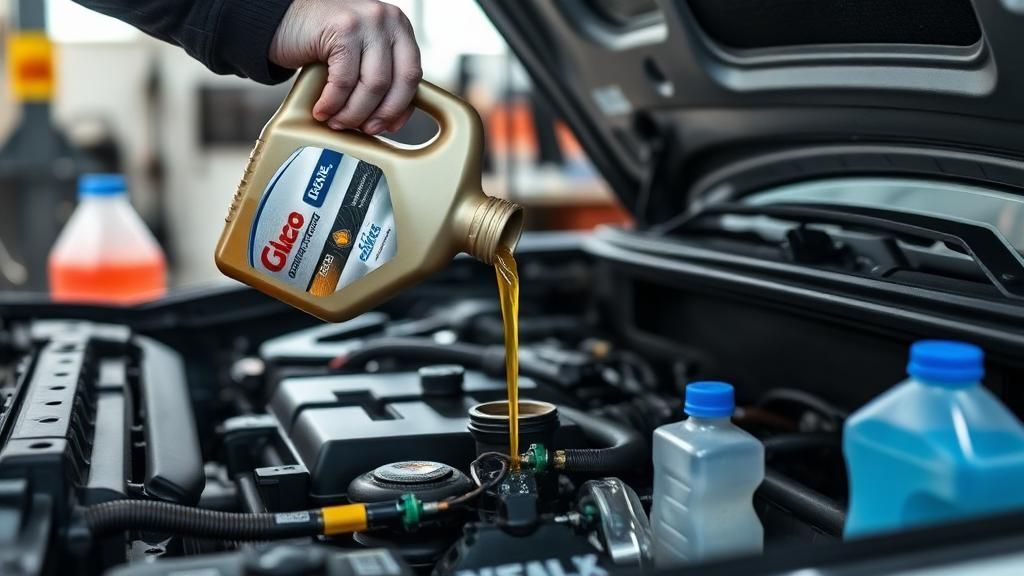
Think of engine oil as the lifeblood of your car. It performs several critical functions:
- Lubrication: This is the big one. Your engine has hundreds of moving parts, all operating at incredibly high speeds and temperatures. Oil creates a thin film between these parts, preventing metal-on-metal contact that would otherwise lead to extreme friction, heat, and eventually, catastrophic engine failure.
- Cooling: While your car has a dedicated cooling system, engine oil plays a significant role in dissipating heat generated by friction and combustion. It carries heat away from critical engine components.
- Cleaning: As your engine runs, it produces tiny particles of dirt, dust, and combustion byproducts. Engine oil helps to suspend these contaminants and carry them to the oil filter, preventing them from forming sludge and deposits that can clog passages and wear down parts.
- Sealing: Oil helps to create a seal between the piston rings and cylinder walls, which is vital for maintaining proper compression and power in your engine.
- Corrosion Protection: Modern engine oils contain additives that protect internal engine components from rust and corrosion, especially important in environments with varying humidity and temperature.
Why Central MA Drivers CANNOT Skip Oil Changes
While regular oil changes are important everywhere, our specific driving conditions in Central Massachusetts make them even more critical, especially as we transition into spring:
Harsh Winters and Road Salt:
Our winters are brutal, and the liberal use of road salt is a fact of life. While oil changes don't directly combat external rust from salt, the cold starts and short trips common in winter can put extra strain on your engine. Cold oil is thicker and takes longer to circulate, increasing wear. Plus, combustion byproducts can mix with moisture (more prevalent in winter) to form acids that degrade oil faster. Fresh oil is better equipped to neutralize these acids.
Potholes and Stop-and-Go Driving:
Spring in Central MA means pothole season! The constant jarring and stress from navigating damaged roads, combined with the stop-and-go driving often found in our towns, puts added strain on your engine. Stop-and-go driving means your engine experiences more hot-cold cycles, which can break down oil more quickly than steady highway driving.
Seasonal Transitions (Hello, Spring!):
As we move from the freezing temperatures of winter to the warmer, wetter conditions of spring, a fresh oil change is a fantastic way to give your engine a clean slate. Winter driving can accumulate moisture and contaminants in your oil. A spring oil change ensures your engine is protected with optimal lubrication and protection as temperatures rise and you start planning those longer road trips.
Short Trips Around Town:
Many of us make frequent short trips – to the grocery store, school drop-offs, errands around Worcester or Holden. During short trips, your engine may not reach optimal operating temperature, meaning condensation can build up in the oil. This moisture mixes with combustion byproducts, forming sludge that can be very damaging over time. Regular oil changes remove this contaminated oil before it causes problems.
When Should YOU Get Your Oil Changed?
The...
The Importance of Scheduled Maintenance for Your Vehicle: Insights from Village Repair in Holden, MA